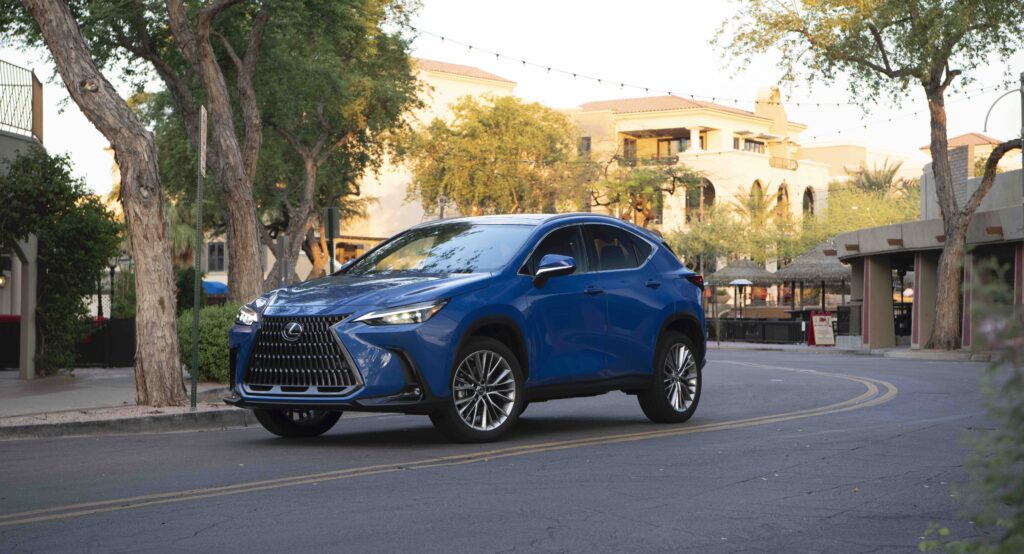
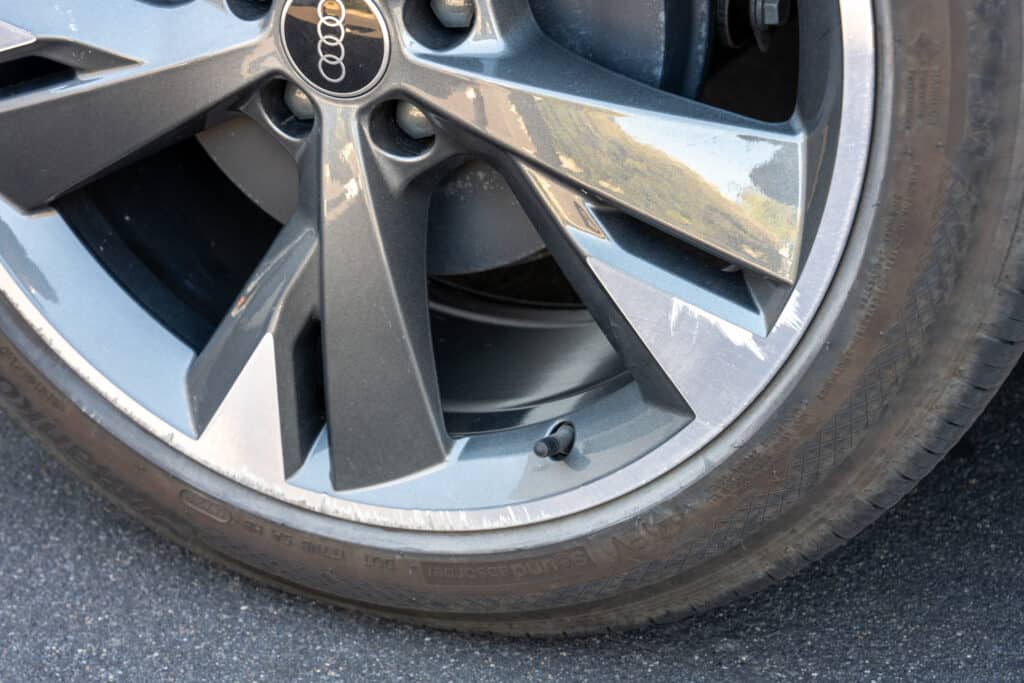
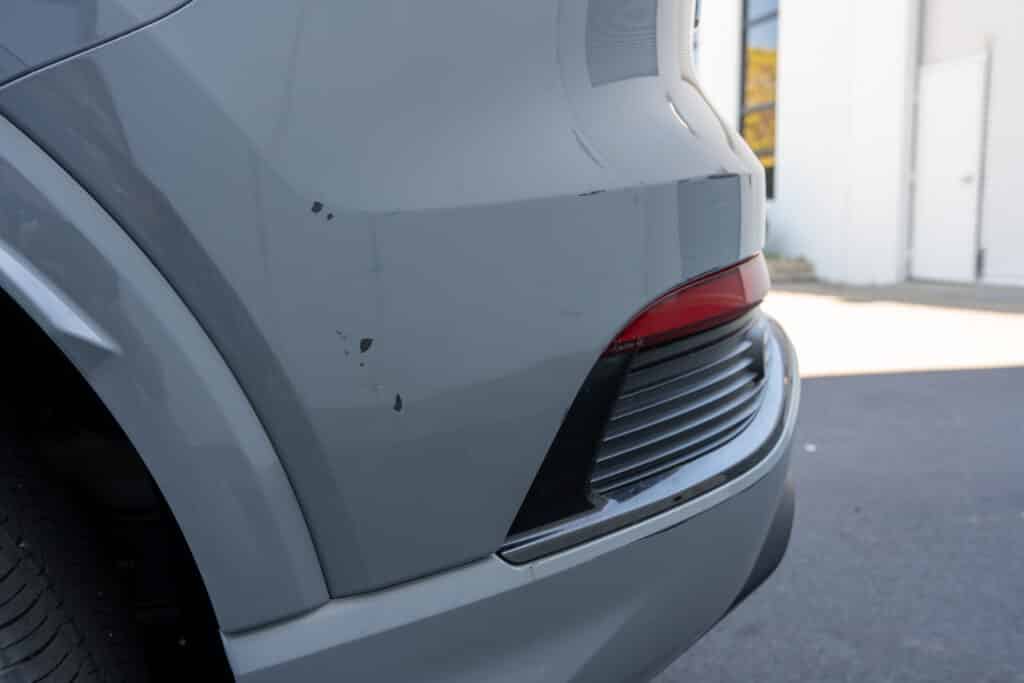
Our client’s car lease was ending in 60 days. She’d loved the vehicle, but two years of driving left their mark: a door ding from a tight parking space, a bumper scuff from an overly ambitious reverse down a steep, narrow driveway lined with Redwood trees, and a curbed wheel.
She knew these were potential fees waiting to happen at lease return.
But rather than panic or guess, she called her advisor who helped her gather information, compare options, and made a calculated decision. This strategy, often refined by experts in auto leasing services, transforms the end of a car lease from an anxiety-filled process into a confident financial decision.
Here’s exactly how we approached her car lease end.
Step One: Understand “Normal Wear and Tear” vs. Damage
Their first move was pulling out her lease agreement to review the wear and tear guidelines. Every lease agreement outlines specific criteria for acceptable wear and tear. Generally, a minor door ding or a light scuff that can be buffed out are considered normal. Examples of damage include any dent larger than a credit card, a chipped or cracked windshield, and deep scratches that break the paint.
After reviewing her contract, they confirmed her three issues exceeded the normal wear and tear threshold.
Step Two: Get a Real-World Repair Estimate
The next call was to an authorized body shop (one certified to work with her vehicle’s manufacturer). She set up an appointment for them to inspect the car in-person. At this appointment, the shop gave her a detailed estimate, breaking out parts, labor and recalibration. The entire conversation took less than 15 minutes.
This number became her baseline: $6,850.
Step Three: Schedule the Official Lease-End Inspection
Every car lease includes a complimentary inspection before return. They scheduled hers through the leasing company’s third-party inspector.
When the inspector arrived, she was present for the entire process. This allowed her to ask questions and get clarification on the findings.
The inspector documented every item, and pointed out a few minor scratches she hadn’t noticed. The inspector’s report estimated manufacturer charges at $4,340 for items exceeding normal wear and tear.
Now she had two numbers: $6,850 from the body shop, and $4,340 from the lease company’s assessment.
Step Four: Review the Lease Protection Plan
When she originally leased her car, she added a lease protection plan. The plan covered up to $1,000 per incident and $5,000 total for excessive wear and tear during the lease term.
Step Five: Consider the Lease Buyout Option
They also evaluated one more alternative: buying out her car lease. She liked the car, it worked well for her commute, it had low mileage, and it was easy to charge at home. She entertained the idea of buying out her car lease to keep the car.
The key to the lease buyout decision is comparing the residual value to the current market value.
- Residual Value (The Buyout Price): This is the predetermined value of the car at the end of the lease, as written in your original contract.
- Current Market Value (The Real Value): This is what the vehicle is currently worth if you sold it on the open market, or what a dealer would pay to acquire it.
Her advisor analyzed the market for her car. Unfortunately, the market value was less than her residual value. This means that a buyout risked her paying more than the car was worth. In this case, a lease buyout wouldn’t provide a financial advantage.
The lease buyout isn’t right for everyone, but it’s worth considering as part of your complete picture. If you’re navigating similar decisions, our guide on preparing to turn in your leased car walks through the process in detail. And if lease-end anxiety is creeping in, this guide to a smooth return covers everything from timeline planning to understanding your options.
The Decision Became Clear
With all five pieces of information, the choice was straightforward. Simply returning the car at the end of the lease would allow the manufacturer to handle the damage. She returned the car as-is. The manufacturer’s charges were processed through her lease protection plan. As she hoped, she paid zero fees.
The claim process took three weeks. No surprises. No hidden costs. Just clear information leading to a confident decision.
What This Means for Your Car Lease
This same framework applies whether you’re managing your lease return independently or working with a Cartelligent advisor.
If you’re facing a similar situation, your Cartelligent advisor can help you execute this exact strategy.
Ready to buy or lease a car with someone in your corner from day one? Get started with Cartelligent and know you’ll have expert guidance through every phase, including lease return.