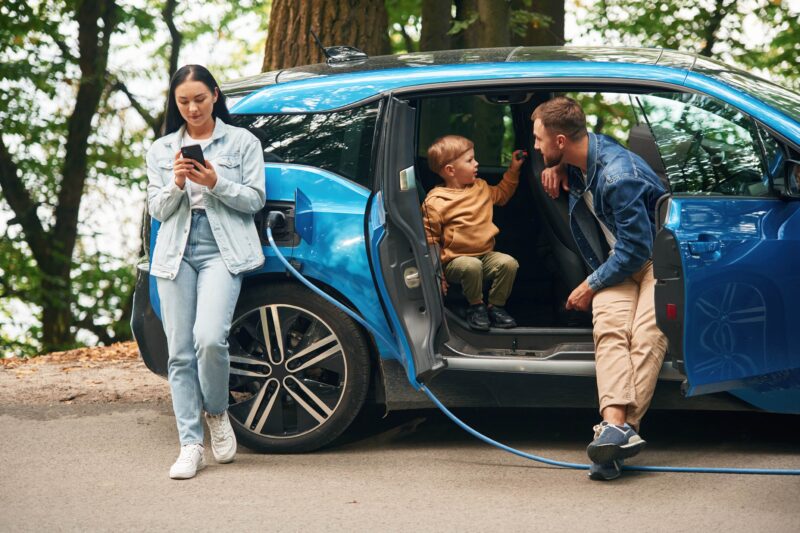
As California continues to lead the nation in electric vehicle adoption, understanding the economics of EV ownership becomes increasingly important. While the state’s ambitious environmental goals and robust charging infrastructure make electric cars an attractive option, prospective buyers naturally want to know: how much does it cost to charge an electric car in this dynamic market?
Understanding the Financial Landscape
The answer to “how much does it cost to charge an electric car in California” is multifaceted, varying significantly based on charging location, time of day, and individual electricity rates. However, the economics generally favor electric cars over their gasoline-powered counterparts, despite California’s relatively high electricity costs.
California’s residential electricity rates averaged $0.38 per kWh on standard plans as of early 2025, though specialized EV rate plans can reduce costs substantially. Utility providers like PG&E offer EV-specific plans where rates can drop to as low as $0.31 per kWh during off-peak hours (midnight to 3 p.m.), though peak rates from 4 to 9 p.m. can reach $0.62 per kWh in summer months.
Home Charging: The Most Economical Option
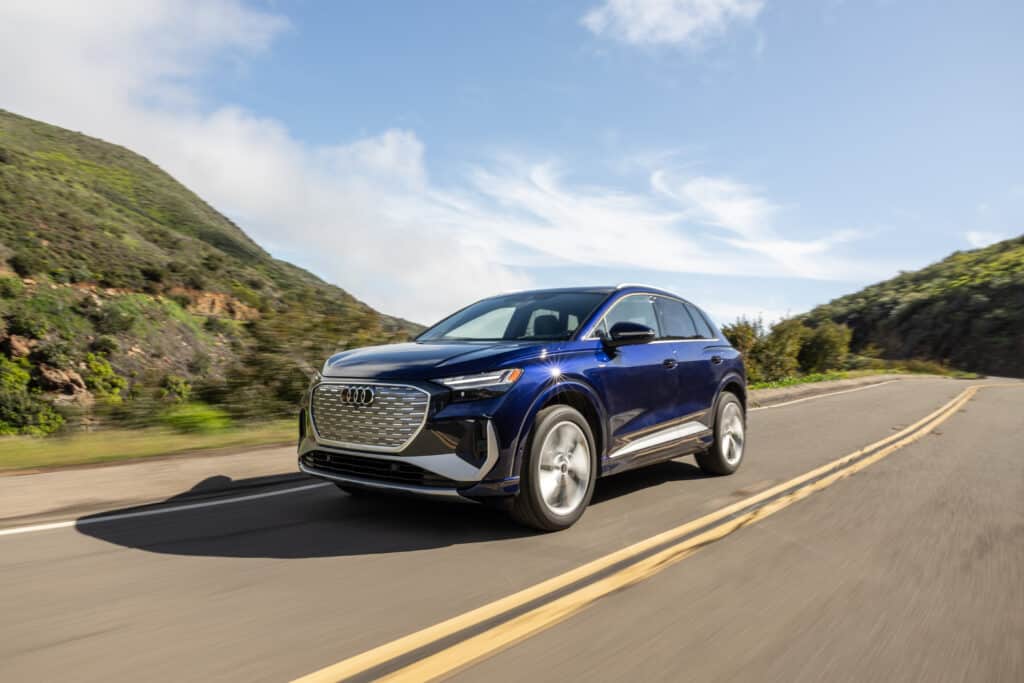
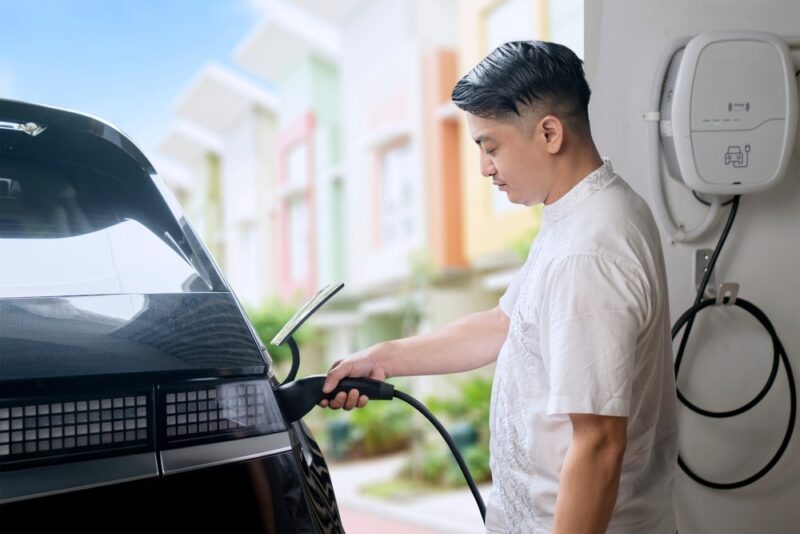
For those who can charge at home, the economics are particularly favorable. Consider the 2024 and 2025 Audi Q4 e-tron, equipped with an 82-kWh battery pack. At California’s average electricity price of approximately 18 cents per kWh, a full charge costs roughly $15, providing a range of up to 265 miles. By comparison, fueling a luxury SUV with 22 mpg efficiency for the same distance would cost approximately $65 at current premium gasoline prices—a savings of over 75%.
The key to maximizing savings lies in strategic charging. PG&E estimates that customers on their EV2A rate plan pay an average of $3.20 for the equivalent of a gallon of gas, representing substantial savings compared to traditional fuel costs. Many California utilities now offer time-of-use plans specifically designed for EV owners, allowing charging during off-peak hours when rates are lowest—typically late at night or early morning.
Public Charging Station Costs
When home charging isn’t an option, public charging stations provide flexibility, albeit at a premium. Public Level 2 charging stations in California cost an average of $0.20–$0.30 per kWh, while DC fast charging ranges from $0.40–$0.60 per kWh. More recent data suggests these costs have increased: the average cost at public charging stations in California is $0.50 per kWh, compared to the national average of $0.45 per kWh.
At typical public charging rates of $0.30 per kWh for Level 2 and $0.40 per kWh for DC fast charging, fully charging an Audi Q4 e-tron’s 82-kWh battery would cost approximately $25 for Level 2 and $33 for DC fast charging. While more expensive than home charging, these rates still compare favorably to gasoline costs for equivalent range in a luxury vehicle.
Annual Cost Projections
For comprehensive financial planning, annual projections provide valuable context. California drivers average approximately 12,500 miles per year. For a luxury electric vehicle like the Audi Q4 e-tron, achieving 3.0 miles per kWh, this translates to roughly 4,167 kWh of electricity annually.
Annual Electric Vehicle Charging Costs:
- Home charging (off-peak time-of-use rates at $0.31/kWh): $1,292
- Public Level 2 charging (at $0.30/kWh): $1,250
- DC fast charging (at $0.40/kWh): $1,667
Annual Gasoline Costs for Comparison:
- Luxury gasoline SUV (22 mpg, 568 gallons): $2,641 at California’s current average premium fuel price of $4.65/gallon
These figures represent significant savings compared to gas-powered luxury vehicles, with home charging costing less than half of gasoline expenses. Even DC fast charging costs 37% less than fueling a comparable luxury SUV. The financial advantages are clear, making the question of “how much does it cost to charge an electric car in California” increasingly attractive from an economic perspective.
Strategic Considerations for Cost Optimization
Maximizing the economic benefits of EV ownership requires strategic planning:
Time-of-Use Rate Plans: Most California utilities offer specialized EV rate structures that provide substantial discounts during off-peak hours. Programming your vehicle to charge overnight can reduce per-kWh costs by 50% or more compared to peak rates.
Home Charging Infrastructure: While Level 2 home chargers require upfront installation costs, many California utility providers offer rebates to offset these expenses. The convenience and cost savings of home charging typically recover these initial investments within the first year of ownership. For detailed guidance on understanding EV charging levels and options, including AC versus DC charging and installation considerations, explore comprehensive resources that can help you make informed decisions about your charging setup.
Solar Integration: For homeowners with solar installations, charging costs can be reduced to near-zero by utilizing excess solar generation. This combination provides the ultimate cost optimization for EV ownership in California’s sunny climate.
Charging Network Memberships: For drivers who rely on public charging, subscription plans offered by major networks can provide discounted rates compared to pay-as-you-go pricing.
The Broader Economic Picture
While electricity costs form the foundation of EV economics, the complete financial picture extends beyond charging. Electric cars require minimal maintenance compared to conventional vehicles—no oil changes, fewer brake replacements due to regenerative braking, and simpler powertrains with fewer components requiring service. These reduced maintenance costs compound the fuel savings over the vehicle’s lifetime.
Additionally, various incentives continue to make EV ownership more accessible. California offers substantial rebates and tax credits, with some programs providing up to $12,000 for qualifying buyers who trade in older vehicles. These incentives can significantly offset the higher initial purchase prices that EVs typically command.
While California’s electricity rates rank among the nation’s highest, the mathematics still favor electric cars over gasoline-powered alternatives for most driving patterns. Home charging, optimized through time-of-use rate plans, offers the most economical option, with annual costs often 60-70% lower than equivalent gasoline expenses.
As California’s charging infrastructure continues to expand and electricity rates for EVs become more competitive, the financial case for electric vehicle ownership strengthens further. For those who can leverage home charging and strategic rate plans, the question isn’t whether electric cars cost less to operate—it’s by how much.
Partner with Cartelligent for Your Electric Car Journey
At Cartelligent, our team of auto experts has helped thousands of California drivers navigate the transition to electric vehicles with confidence. We understand that choosing an electric car involves more than just comparing charging costs—it requires finding the right vehicle that aligns with your lifestyle, charging capabilities, and long-term financial goals. Whether you’re looking to buy or lease an electric car, we can guide you through every step of the process, from evaluating which models offer the best range and charging efficiency for your needs to securing an excellent deal that maximizes available incentives and rebates.
Ready to make the switch to electric? Get started with your new car search today and receive personalized recommendations and expert guidance on finding the perfect electric vehicle that delivers both performance and value for your California driving needs.
References
- SF Chronicle. (2025). “How much money do you save by owning an electric car in California?”
- Qmerit. (2024). “California EV Rebates, Tax Credits and Incentives”
- San Diego County. “Electric Vehicle Costs and Incentives”
- DriveClean California. “Electric Car Charging Overview”
- Kelley Blue Book. (2025). “How Much Does It Cost to Charge an Electric Car?”
- Stable Auto/Axios San Francisco. (2024). “Average cost to charge an electric vehicle in California”
- LendingTree. (2025). “US Gas Prices: See Where Your State Stacks Up”
- AAA. (2025). “California Average Gas Prices”
- Federal Highway Administration. (2023). “Average Annual Miles per Driver by State”
- Audi USA. (2025). “Q4 e-tron Specifications”