Updated Date: 10/21/2025
With more than 50 electric cars and plug in hybrid models now available, you finally have a full range of choices. Here are the top things to consider when you make your purchase.
What Type of Electric Car Do You Need?
Just like a gasoline vehicle, electric cars come in all types and sizes, including sedans, SUVs and trucks. Your driving needs will determine the type of vehicle you need.
Ask yourself: Do you primarily drive in the city, or do you need to handle backcountry roads? Do you need lots of cabin space and a large trunk? Do you want all-wheel drive? What features are “must-haves” for your lifestyle?
Understanding how you’ll actually use your electric vehicle helps you avoid overpaying for features you don’t need or choosing a model that won’t meet your requirements. Many manufacturers now offer customization options that let you build your own car, selecting specific features, colors, and technology packages to match your exact preferences and budget.

What’s Your Budget for an Electric Car?
When considering how much you can spend on an electric car, your monthly budget should account for what you currently pay for gasoline, since you no longer need it.
Additionally, maintenance for an EV is less expensive, since there are fewer moving parts and no oil change is required. If you are deciding whether to lease a car rather than buy one, you may be able to afford a higher monthly payment, thanks to your savings on gas and maintenance.
In California specifically, you can save even more by taking advantage of Time of Use rates that PG&E offers to EV owners. When charging during off-peak hours is about the same as paying $2.92 per gallon at the pump. On average, Californian drivers save approximately $900 annually switching to an electric car.
And, don’t forget to factor in your rebates and incentives. They vary by location and may include vehicle tax credits and rebates, charging station incentives, electricity discounts and driving perks.
How Far Will You Typically Drive?
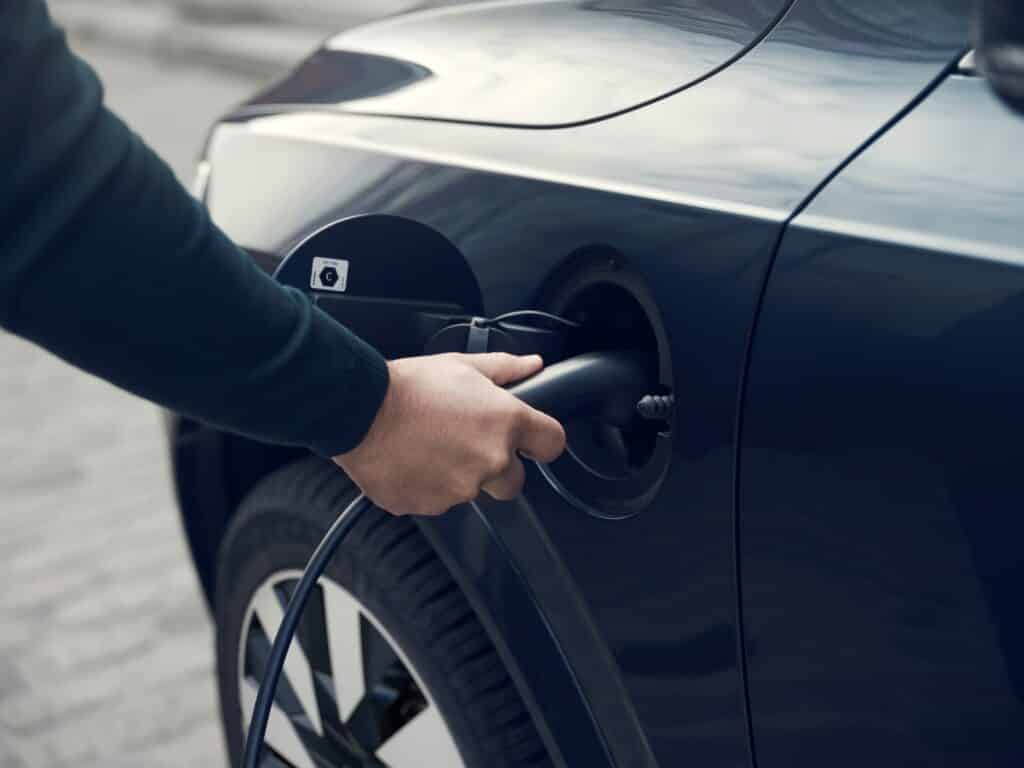
Think about your real-world driving patterns. Will you use your EV for your commute? Errands after work? Vacations? Most electric vehicles have various ranges that you can travel between charges. They typically fall within the 200-300 mile range and can take advantage of DC fast-charging stations available along major travel routes.
If you frequently take longer road trips, consider a plug in hybrid vehicle, which can also travel on gasoline when needed.
Where Will You Charge Your Electric Car?
Your charging options depend on your typical driving distance. If you plan to drive less than 40 miles a day, you can plug your EV into a standard 120-volt outlet and charge overnight at home. New electric cars come with portable charging to make this convenient.
If you plan to normally travel longer distances, however, you may need a 208-240V Level 2 charger. A typical Level 2 charger can replenish your battery for a 40-mile drive in less than 2 hours. DC Fast Charging can provide 10 to 20 miles of driving range per minute, but this technology is only available at public charging stations.
In fact, there may be several EV charging stations already along your usual route. (You can use a free app like PlugShare to map out chargers across the nation.)
Should You Buy or Lease a Car?
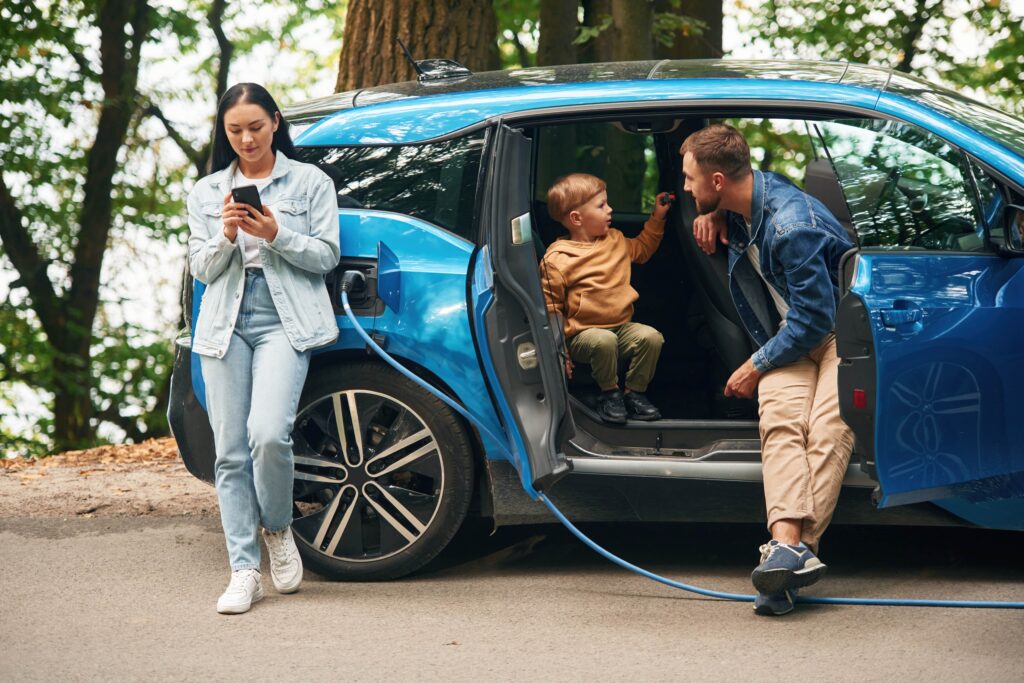
We typically recommend leasing electric cars and plug in hybrids because the technology evolves quickly and the range continues to consistently grow.
If you anticipate that the features of a particular EV will satisfy your needs for the next few years, buying could be a better option. If you are unsure whether to lease or buy an electric vehicle there are other reasons to consider leasing.
If you are looking to buy or lease a car and would like some expert guidance, Cartelligent’s advisors can help you decide which options are best for your needs. Start your new car search today and discover the best car deals available.