
Many people approach the end of their lease with uncertainty. In fact, many people shy away from leasing a car altogether because they’re not sure what happens when the lease term is over.
The reality is that lease end is often far simpler—and more flexible—than most people expect.
After helping thousands of clients navigate lease returns over the years, we’ve noticed the same misconceptions come up again and again. Understanding how the process works can make the experience much smoother and can even open the door to options many drivers don’t realize they have.
Here are five of the most common misconceptions about lease returns.
#1 – Lease end is your only option.
Many drivers assume they only have one choice when their lease ends: return the vehicle and walk away.
In reality, lease end can open the door to several options, including:
- Buying the vehicle
- Trading it in toward another vehicle
- Extending the lease
- In some cases, selling the vehicle if it is worth more than the payoff or if selling it will save you charges like over mileage or excess wear and tear.
Understanding which option makes the most sense depends on your situation—things like your current mileage, the vehicle’s market value, and what you want to drive next all play a role. For a deeper look at the tradeoffs, see our guide on whether to lease or buy a car.
Your Cartelligent Advisor can walk you through these options to help you understand what makes sense for you.

(Featured: 2026 BMW X5 50e)
#2 – You must return the car to the same dealership you got it from.
Another common belief is that you must go back to the original dealership where you leased the vehicle.
In many cases, leases can be returned to any authorized dealership for that brand, which can make the process much more convenient. This flexibility allows drivers to work with the location or professional they feel most comfortable with when navigating their lease return. This varies by brand, so be sure to ask your leasing company for details.
#3 – Every scratch means you’ll be charged.
Many drivers worry that every small blemish will result in a penalty when they return their vehicle.
The truth is that manufacturers expect normal wear and tear during the course of a lease. Small door dings, light scratches, and minor interior wear are typically considered acceptable.
Leasing companies provide clear guidelines outlining what qualifies as excessive wear, and many vehicles fall well within those limits.
#4 – Excess wear-and-tear charges disappear if you lease another car.
Some drivers believe that if they remain loyal to the same dealership and lease another vehicle, any damage or wear charges will automatically be waived.
While manufacturers do occasionally offer loyalty incentives that can offset certain fees, this is never guaranteed—and it’s worth understanding what those incentives actually cover before counting on them. Our guide to understanding new car rebates and incentives is a good place to start.
In most cases, wear-and-tear charges are assessed by the leasing company—not the dealership—so they don’t automatically disappear simply because you’re getting another car.
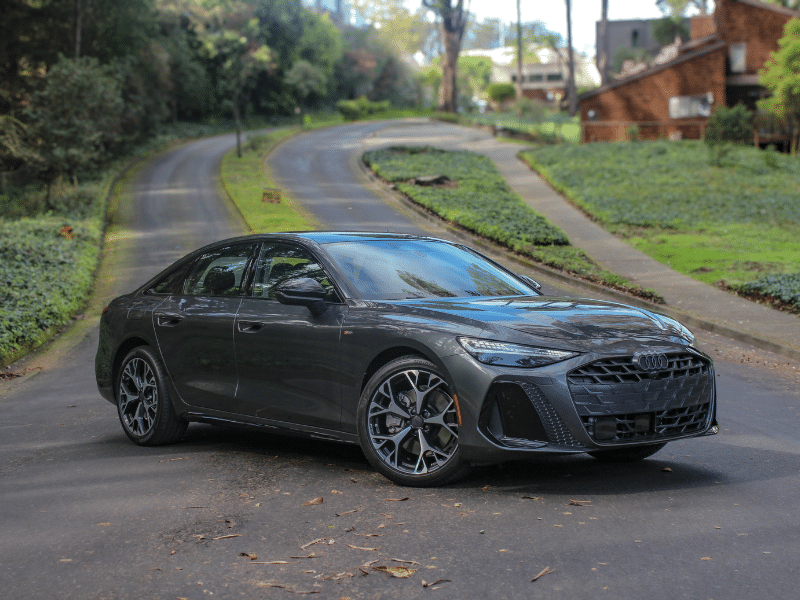
(Featured: 2026 Audi A6 Sedan)
#5 – Your car is worth more than the residual value.
Over the past few years—especially during the unusual used-car market of 2021–2022—many lease customers were able to trade in their cars and make a small profit.
That experience created the impression that this is always the case.
In reality, the residual value is carefully set by the leasing company to reflect expected depreciation. Sometimes the vehicle may be worth more than the residual value, but often it’s worth about the same—or even less.
It’s always worth checking the market value, but drivers shouldn’t assume there’s guaranteed equity waiting at lease end.
Planning Ahead Makes All the Difference
The end of a lease doesn’t have to be a stressful or confusing process. When drivers understand their options and plan ahead, they’re often able to make far more strategic decisions about what to do next.
If your lease is due within the next six months, this is the ideal time to start reviewing your options.
At Cartelligent, we bring decades of experience helping clients navigate their automotive decisions and build long-term strategies that fit their individual needs. No two situations are the same, and having the right guidance can make a significant difference when your lease comes to an end. Start your new car search now with one of our team members to learn more about how we can help.